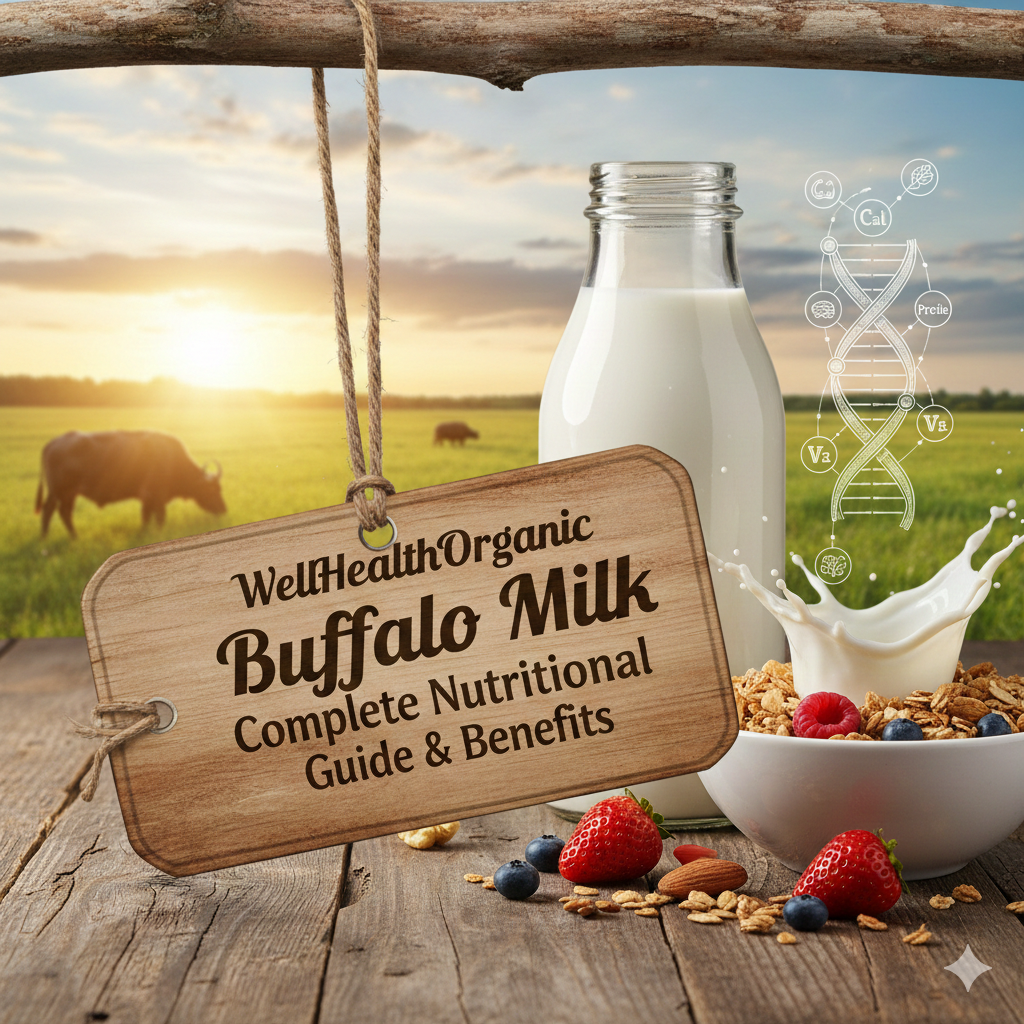
Looking for a healthier milk option? Buffalo milk might be exactly what you need. More protein, more calcium, and a creamier taste than regular milk. Buffalo milk is a highly nutritious and rich source of essential nutrients. When we talk about WellHealthOrganic Buffalo Milk Tag, we focus on a product that not only promotes health but also offers various benefits for the body.
In this article, we will explore the incredible nutritional benefits of buffalo milk and understand why it stands out as a top choice for those looking for a healthier alternative to cow’s milk.
What is the WellHealthOrganic Buffalo Milk Tag?
The WellHealthOrganic Buffalo Milk Tag is your guarantee of quality. It’s a certification that tells you this buffalo milk meets strict organic standards.
Here’s what the tag promises:
- No harmful chemicals: The buffaloes eat grass grown without pesticides or artificial fertilizers.
- No hormones or antibiotics: Animals are raised naturally without growth hormones or routine medications.
- Ethical farming: Buffaloes are treated humanely and live in healthy, open environments.
- Pure processing: The milk is handled carefully to preserve all nutrients without adding preservatives or additives.
- Third-party verified: Independent organizations check that farms follow all organic rules.
- When you see this tag, you know you’re getting pure, nutrient-rich milk that’s good for you and good for the planet.
Buffalo Milk vs Cow Milk: The Real Comparison
Let’s see how they stack up side by side:
| Nutrient (per 100ml) | Buffalo Milk | Cow Milk | Difference |
| Calories | 97 kcal | 61 kcal | +59% more |
| Protein | 3.75g | 3.2g | +17% more |
| Fat | 6.9g | 3.4g | +103% more |
| Calcium | 169mg | 113mg | +50% more |
| Vitamin A | 178 IU | 126 IU | +41% more |
| Cholesterol | 19mg | 14mg | +36% more |
| Lactose | 4.8g | 5.1g | -6% less |
Source: USDA FoodData Central
Buffalo milk is richer, creamier, and more nutrient-dense. But it also has more calories, so portion control matters if you’re watching your weight.
15 Science-Backed Benefits of Buffalo Milk

1. Builds Stronger Bones and Teeth
Buffalo milk delivers about 169mg of calcium per 100ml – that’s 50% more than cow milk. Your bones need calcium to stay dense and strong.
This is especially important for:
- Growing children developing their skeleton
- Women after menopause who lose bone density faster
- Older adults at risk of fractures
- Anyone wanting to prevent osteoporosis
The phosphorus in buffalo milk works with calcium to make your bones even stronger. One glass provides about 15% of your daily calcium needs.
2. Packs More Protein for Muscle Growth
With 3.75g of protein per 100ml, buffalo milk gives you high-quality protein for building and repairing muscles.
The protein in buffalo milk contains all nine essential amino acids your body can’t make on its own. This makes it a “complete protein” perfect for:
- Athletes recovering after workouts
- Bodybuilders building muscle mass
- Active people needing sustained energy
- Anyone wanting to feel full longer
Research shows that dairy protein helps preserve muscle mass as you age, keeping you stronger and more independent.
3. Boosts Your Immune System
Buffalo milk contains immune-supporting nutrients like:
Vitamin A: Helps your body fight infections and keeps your respiratory system healthy.
Vitamin D: Activates immune cells and helps them work better.
Zinc: Essential for immune cell development and function.
Selenium: A powerful antioxidant that protects your cells.
Studies show that people who get enough of these nutrients catch fewer colds and recover faster when they do get sick.
4. Supports Heart Health Despite Higher Fat
You might worry about the fat content. But here’s what research tells us:
Buffalo milk contains conjugated linoleic acid (CLA), a type of fat that may actually protect your heart. CLA has been linked to:
- Lower inflammation
- Better cholesterol profiles
- Reduced risk of heart disease
The key is moderation. A glass or two daily as part of a balanced diet can fit into a heart-healthy lifestyle.
5. Gives You Sustained Energy
The combination of protein, healthy fats, and carbohydrates in buffalo milk provides steady energy throughout your day.
Unlike sugary drinks that spike your blood sugar then crash, buffalo milk releases energy slowly. This means:
- No mid-morning energy slump
- Better focus and concentration
- Less hunger between meals
- More stable mood
Many athletes drink buffalo milk before workouts for lasting energy and after workouts for recovery.
6. Promotes Healthy, Glowing Skin
Buffalo milk has been used in skincare for centuries. Cleopatra supposedly bathed in it.
Here’s why it works:
Lactic acid: Gently exfoliates dead skin cells and brightens your complexion.
Vitamin A: Promotes skin cell turnover and reduces wrinkles.
Vitamin E: Protects against sun damage and keeps skin moisturized.
Healthy fats: Nourish and hydrate your skin from the inside.
You can drink it for internal benefits or use it topically as a natural face mask. Many people report softer, clearer skin within weeks.
7. May Help with Blood Pressure Control
The potassium in buffalo milk helps balance sodium levels in your body. This is important because too much sodium raises blood pressure.
One cup of buffalo milk provides about 180mg of potassium. Combined with a low-sodium diet, this can help:
- Lower high blood pressure
- Reduce strain on your heart
- Decrease risk of stroke
- Improve overall cardiovascular health
Always consult your doctor if you have high blood pressure, but adding buffalo milk might be part of your solution.
8. Supports Brain Function and Mood
Buffalo milk is rich in vitamin B12, which is crucial for your brain and nervous system.
Vitamin B12 helps:
- Produce neurotransmitters that regulate mood
- Maintain the protective coating around nerves
- Support memory and cognitive function
- Prevent brain fog and mental fatigue
Many people, especially vegetarians and older adults, don’t get enough B12. Just one glass of buffalo milk provides a significant portion of your daily needs.
9. Easier to Digest for Some People
Surprisingly, some people who struggle with cow milk find buffalo milk easier on their stomach.
Here’s why:
- Slightly less lactose: About 6% less lactose than cow milk makes it gentler for mild lactose sensitivity.
- Different protein structure: The protein molecules are arranged differently, which some people digest more easily.
- Higher fat content: Fat slows digestion, giving your body more time to break down lactose.
Important: If you have severe lactose intolerance or dairy allergy, buffalo milk is NOT safe. Always test with a small amount first or consult your doctor.
10. Helps Manage Blood Sugar Levels
The protein and fat in buffalo milk slow down how quickly sugar enters your bloodstream. This prevents the sharp spikes and crashes that come from sugary drinks or carbs alone.
Research suggests that consuming dairy protein with meals may:
- Improve insulin sensitivity
- Help control blood sugar levels
- Reduce risk of type 2 diabetes
- Support weight management
For people with diabetes, buffalo milk can be part of a balanced meal plan, but portion control is essential due to the calorie content.
11. Supports Healthy Pregnancy
Pregnant women need extra nutrients to support their growing baby. Buffalo milk provides:
- Extra protein: For building baby’s tissues and organs.
- More calcium: For developing strong bones and teeth.
- Vitamin D: Helps absorb calcium and supports immune health.
- Vitamin B12: Critical for baby’s brain and nervous system development.
- Phosphorus: Works with calcium for bone formation.
Many doctors recommend 2-3 servings of dairy daily during pregnancy. Buffalo milk is a nutrient-dense option that helps meet these needs.
Always consult your healthcare provider about your specific nutritional needs during pregnancy.
12. Promotes Better Sleep Quality
Buffalo milk contains tryptophan, an amino acid that your body converts to serotonin and then melatonin – hormones that help you sleep.
Drinking warm buffalo milk before bed may:
- Help you fall asleep faster
- Improve sleep quality
- Reduce nighttime waking
- Promote more restful sleep
The calcium in buffalo milk also plays a role in helping your brain use tryptophan to make melatonin.
13. Supports Healthy Weight Gain
If you’re underweight or trying to build muscle mass, buffalo milk can help you gain healthy weight.
With 97 calories per 100ml, it’s calorie-dense without being junk food. The nutrients support:
- Muscle growth (not just fat storage)
- Bone density increases
- Overall health improvement
- Energy for workouts
Athletes, bodybuilders, and people recovering from illness often use buffalo milk to meet their increased calorie needs healthily.
14. Strengthens Hair and Nails
The protein, biotin, and other nutrients in buffalo milk support keratin production – the protein that makes up your hair and nails.
Regular consumption may lead to:
- Stronger, less brittle nails
- Shinier, healthier hair
- Faster hair growth
- Reduced hair breakage
The calcium and vitamin D also play roles in hair follicle health.
15. Contains Beneficial Bioactive Compounds
Beyond basic nutrients, buffalo milk contains special compounds with health benefits:
- Conjugated Linoleic Acid (CLA): May help reduce body fat and support immune function.
- Immunoglobulins: Proteins that support your immune system.
- Lactoferrin: Has antimicrobial and anti-inflammatory properties.
- Bioactive peptides: Small proteins with various health-promoting effects.
These compounds are currently being researched for their potential to prevent diseases and promote overall health.
Who Should Drink Buffalo Milk?
Buffalo milk is excellent for:
Growing children
The extra calcium and protein support healthy development.
Athletes and bodybuilders
High protein content aids muscle recovery and growth.
Pregnant and nursing women
Provides extra nutrients needed during this time.
Older adults
Helps maintain bone density and muscle mass.
People wanting more nutrition
It’s more nutrient-dense than cow milk.
Those with mild lactose sensitivity
Some find it easier to digest (test carefully first).
Anyone seeking organic options
The WellHealthOrganic tag ensures quality and purity.
Who Should Avoid Buffalo Milk?
Buffalo milk is NOT suitable for:
- People with dairy allergies: It contains the same proteins as cow milk that trigger allergic reactions.
- Severe lactose intolerance: While lower in lactose, it still contains enough to cause problems.
- Those on strict low-calorie diets: At 97 calories per 100ml, it’s calorie-dense.
- People with high cholesterol: The higher fat content might not fit your dietary restrictions.
- Infants under 12 months: Babies should only have breast milk or formula.
Always consult your doctor or registered dietitian if you have specific health conditions or dietary needs.
How to Use Buffalo Milk: Practical Ideas
Quick Recipe: Buffalo Milk Golden Turmeric Latte
Ingredients:
- 1 cup buffalo milk
- 1/2 tsp turmeric powder
- 1/4 tsp cinnamon
- 1/4 tsp ginger powder
- 1 tsp honey
- Pinch of black pepper
Instructions: Heat buffalo milk gently (don’t boil). Whisk in spices and honey. Serve warm before bed for relaxation and immune support.
Other Delicious Ways to Use It:
In your morning coffee: The creaminess rivals any commercial creamer, but it’s healthier.
Smoothies: Blend with bananas, berries, and spinach for a protein-packed breakfast.
Overnight oats: Soak oats in buffalo milk overnight for a creamy, filling breakfast.
Homemade yogurt: The high fat content makes incredibly thick, rich yogurt.
Cheese making: Buffalo milk makes the famous Italian buffalo mozzarella.
Creamy soups: Add richness to tomato soup, potato soup, or any cream-based recipe.
Baking: Use in cakes, muffins, and bread for extra moisture and richness.
Protein shakes: Perfect base for post-workout drinks.
Indian chai: Traditional chai made with buffalo milk is extra special.
Homemade ice cream: The high fat content makes luxuriously creamy ice cream.
Where to Find WellHealthOrganic Buffalo Milk
Health food stores: Whole Foods, Sprouts, and local organic markets often carry it.
Online retailers: Amazon, Thrive Market, and specialty dairy websites.
Farmers markets: Some local organic farms sell directly to consumers.
Specialty grocery stores: Indian, Middle Eastern, or Italian markets may stock it.
Direct from farms: Search for “organic buffalo dairy near me” to find local sources.
What to Look For on Labels
✅ Organic certification: Look for USDA Organic seal or equivalent certification.
✅ WellHealthOrganic tag: Ensures specific quality standards are met.
✅ Pasteurized: Unless you’re buying raw from a trusted farm, choose pasteurized for safety.
✅ No additives: Ingredients should only list buffalo milk (and maybe vitamin D).
✅ Recent production date: Fresher is always better.
✅ Source information: Good brands tell you where the milk comes from.
Price Expectations
Buffalo milk typically costs more than cow milk:
- Regular cow milk: $3-5 per half gallon
- Organic buffalo milk: $8-15 per half gallon
Why the price difference?
- Buffaloes produce less milk than cows
- Organic farming costs more (no cheap chemicals)
- Smaller scale production
- Higher quality and nutrient density
Think of it as an investment in your health. You’re paying for superior nutrition and ethical farming practices.
Storage Tips
- Keep it cold: Store at 35-40°F (1-4°C) in the coldest part of your fridge.
- Use within 5-7 days: After opening, consume within a week for best quality.
- Don’t leave it out: Return to fridge immediately after pouring.
- Smell test: If it smells sour or off, throw it out.
- Freeze for longer storage: Buffalo milk freezes well for up to 3 months. Thaw in fridge overnight.
- Shake before using: The cream may separate naturally. A gentle shake fixes this.
The Bottom Line
Buffalo milk with the WellHealthOrganic tag offers superior nutrition in a pure, ethically produced package. With 50% more calcium, 17% more protein, and higher levels of vitamins than cow milk, it’s a powerhouse of nutrition.
Yes, it costs more. Yes, it has more calories. But for many people, the benefits outweigh the cost.
Buffalo milk is ideal if you want to:
- Build stronger bones and muscles
- Support your immune system
- Get more nutrition from every sip
- Choose organic and ethical products
- Experience richer, creamier dairy
Whether you’re an athlete, a parent, or simply someone who cares about what goes in your body, WellHealthOrganic buffalo milk deserves a place in your fridge.
Ready to try it? Look for the WellHealthOrganic tag at your local health food store or order online. Start with a small bottle to see how you like it. Most people never go back to regular milk once they experience the difference.
Your journey to better nutrition starts with one simple choice. Make it today.
FAQs
Is buffalo milk actually healthier than cow milk?
Buffalo milk has more protein, calcium, and vitamins A and D than cow milk. However, it also has more calories and fat. “Healthier” depends on your individual needs. For building muscle or bones, buffalo milk wins. For weight loss, cow milk might be better.
Can diabetics drink buffalo milk?
Yes, in moderation. The protein and fat help control blood sugar spikes. However, it does contain lactose (a natural sugar) and calories. Diabetics should count it in their meal plan and monitor blood sugar response. Always consult your healthcare provider about your specific dietary needs.
Can I heat buffalo milk without destroying nutrients?
Yes, gentle heating is fine and doesn’t significantly reduce nutrients. Avoid boiling, which can break down some proteins and vitamins. Heat it slowly to about 160-165°F (71-74°C) for hot drinks.
Is buffalo milk safe during pregnancy?
Yes, when pasteurized, buffalo milk is safe and beneficial during pregnancy. It provides extra calcium, protein, and vitamins needed for baby’s development. Never drink unpasteurized milk during pregnancy due to infection risk. Consult your OB-GYN about your specific nutritional needs.
Disclaimer: This article is for informational purposes only and is not medical advice. Consult healthcare professionals for personalized dietary recommendations, especially if you have allergies, medical conditions, or specific dietary restrictions.
Sources: USDA FoodData Central, Journal of Dairy Science, Nutrients Journal, American Journal of Clinical Nutrition.